Hello guys, We're here with some new information from NASA :
This image shows the Command Service Module orbiting the Moon as Neil Armstrong and Buzz Aldrin explored the lunar surface.

from NASA https://ift.tt/2O89ewv
via IFTTT

By CADE METZ from NYT Technology https://ift.tt/2XY7D0M
via IFTTT
Astronomy news update from NASA :
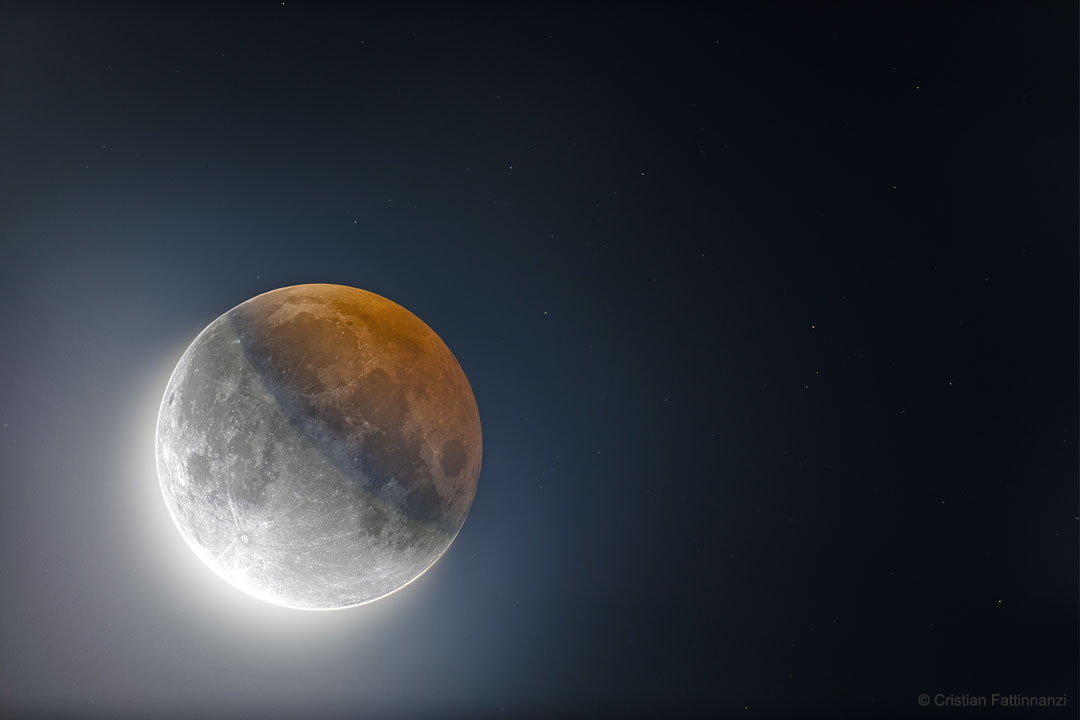
What could create such a large circular shadow on the Moon? The Earth. Last week's full Moon -- the Buck Moon -- was so full that it fell almost exactly in a line with the Sun and the Earth. When that happens the Earth casts its shadow onto the Moon. The circularity of the Earth's shadow on the Moon was commented on by Aristotle and so has been noticed since at least the 4th century BC. What's new is humanity's ability to record this shadow with such high dynamic range (HDR). The featured HDR composite of last week's partial lunar eclipse combines 15 images and include an exposure as short as 1/400th of a second -- so as not to overexpose the brightest part -- and an exposure that lasted five seconds -- to bring up the dimmest part. This dimmest part -- inside Earth's umbra -- is not completely dark because some light is refracted through the Earth's atmosphere onto the Moon. A total lunar eclipse will occur next in 2021 May.

from NASA https://ift.tt/2JTAABc
via IFTTT
Our new 'Word Of The Day' article update : radiole , n :
(zoology) The spine of a sea urchin. (zoology) A heavily ciliated feather-like tentacle occuring in clusters on the crowns of certain tubeworms, especially those of the order Canalipalpata (the fan-head worms), used for feeding and respiration.
Astronomy news update from NASA :
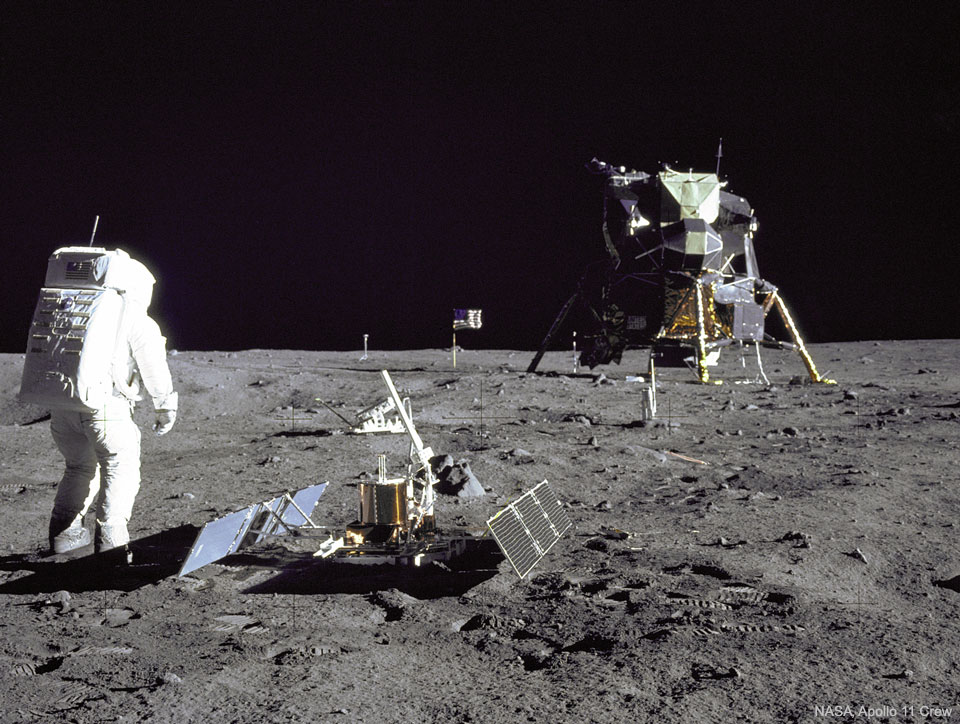
Why are there so many moonquakes? Analyses of seismometers left on the moon by the Apollo moon landings reveals a surprising number of moonquakes occurring within 100 kilometers of the surface. In fact, 62 moonquakes were detected in data recorded between 1972 and 1977. Many of these moonquakes are not only strong enough to move furniture in a lunar apartment, but the stiff rock of the moon continues to vibrate for many minutes, significantly longer than the softer rock earthquakes on Earth. The cause of the moonquakes remains unknown, but a leading hypothesis is the collapse of underground faults. Regardless of the source, future moon dwellings need to be built to withstand the frequent shakings. Pictured here 50 years ago today, Apollo 11 astronaut Buzz Aldrin stands beside a recently deployed lunar seismometer, looking back toward the lunar landing module.

from NASA https://ift.tt/2O7yD9s
via IFTTT
Our new 'Word Of The Day' article update : aventurine , n :
A kind of brownish glass containing gold-coloured spangles. (mineralogy, by extension) A variety of translucent quartz, spangled throughout with scales of yellow mica.

Motorist Attempts Driving Down A Stairway In Vancouver And Midway Through Realizes It Was A Very Bad Idea via Digg https://ift.tt/2JQssBr