Astronomy news update from NASA :
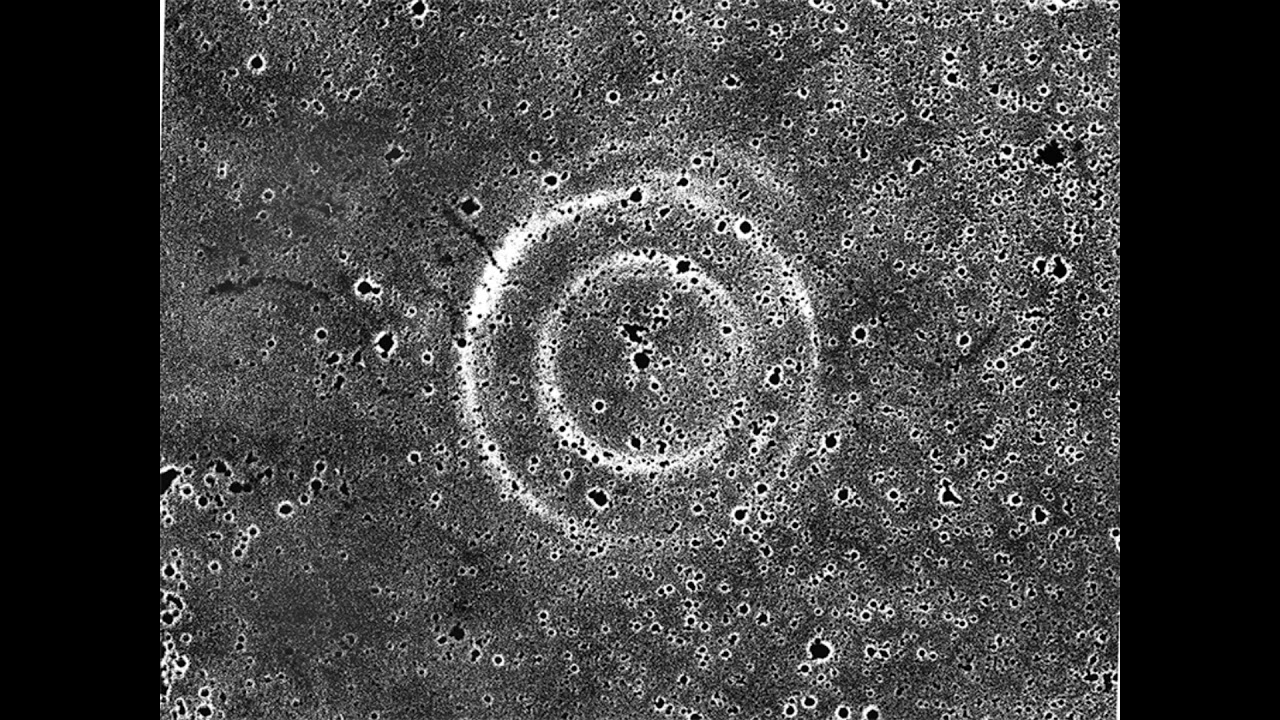
Can you find supernova 1987A? It isn't hard -- it occurred at the center of the expanding
bullseye pattern. Although this stellar detonation was first seen in 1987, light from
SN 1987A continued to bounce off clumps of
interstellar dust and be reflected to us even many years later.
Light echoes recorded between 1988 and 1992 by the
Anglo Australian Telescope (AAT) in
Australia are shown moving out from the position of the supernova in the featured time-lapse sequence. These images were composed by subtracting an LMC image taken before the
supernova light arrived from later LMC images that included the supernova echo. Other prominent
light echo sequences include those taken by the
EROS2 and
SuperMACHO sky monitoring projects.
Studies of
expanding light echo rings around other supernovas have enabled more accurate determinations of the location, date, and
symmetry of these tremendous stellar explosions. Yesterday marked the 32nd anniversary of
SN 1987A: the last recoded supernova in or around our
Milky Way Galaxy, and the last to be visible to the unaided eye.
from NASA https://ift.tt/2VhAEPi
via
IFTTT