Hello guys, We're here with some new information from NASA :
Aeronautics, the first A of the NASA acronym, has always been a part of the agency.

from NASA https://ift.tt/2P0fbHK
via IFTTT
Astronomy news update from NASA :
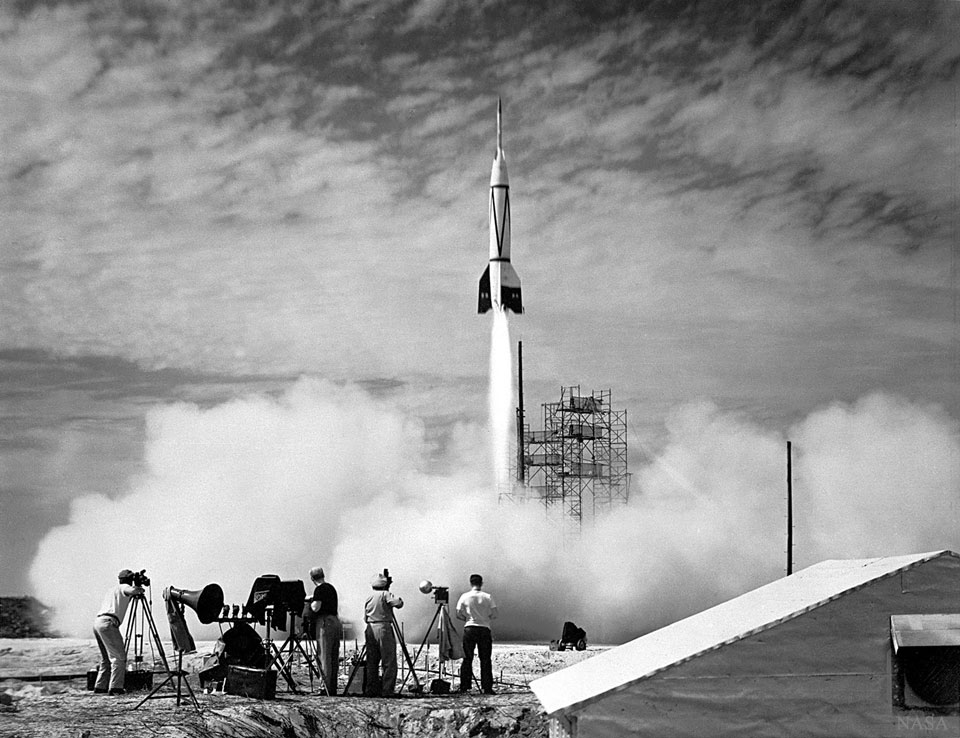
A new chapter in space flight began in 1950 with the launch of the first rocket from Cape Canaveral, Florida: the Bumper V-2. Featured here, the Bumper V-2 was an ambitious two-stage rocket program that topped a V-2 missile base with a WAC Corporal rocket. The upper stage was able to reach then-record altitudes of almost 400 kilometers, higher than even International Space Station. Launched under the direction of the General Electric Company, the Bumper V-2 was used primarily for testing rocket systems and for research on the upper atmosphere. Bumper V-2 rockets carried small payloads that allowed them to measure attributes including air temperature and cosmic ray impacts. Seven years later, the Soviet Union launched Sputnik I and Sputnik II, the first satellites into Earth orbit. In response in 1958, 60 years ago today, the USA created NASA.

from NASA https://ift.tt/2DK5Jax
via IFTTT

By CECILIA KANG from NYT Technology https://ift.tt/2xO9bez
via IFTTT

By NATHANIEL POPPER from NYT Technology https://ift.tt/2QgfIpc
via IFTTT

She Paid A Lawyer Thousands Of Dollars To Apply For A Green Card. She Got A Deportation Order Instead via Digg https://ift.tt/2IuBLpm
Our new 'Word Of The Day' article update : ageful , adj :
Aged, elderly, old. (rare) Eternal, everlasting. Today is recognized by the United Nations as the International Day of Older Persons to raise awareness about issues affecting the elderly, such as ageing and elder abuse.
Astronomy news update from NASA :
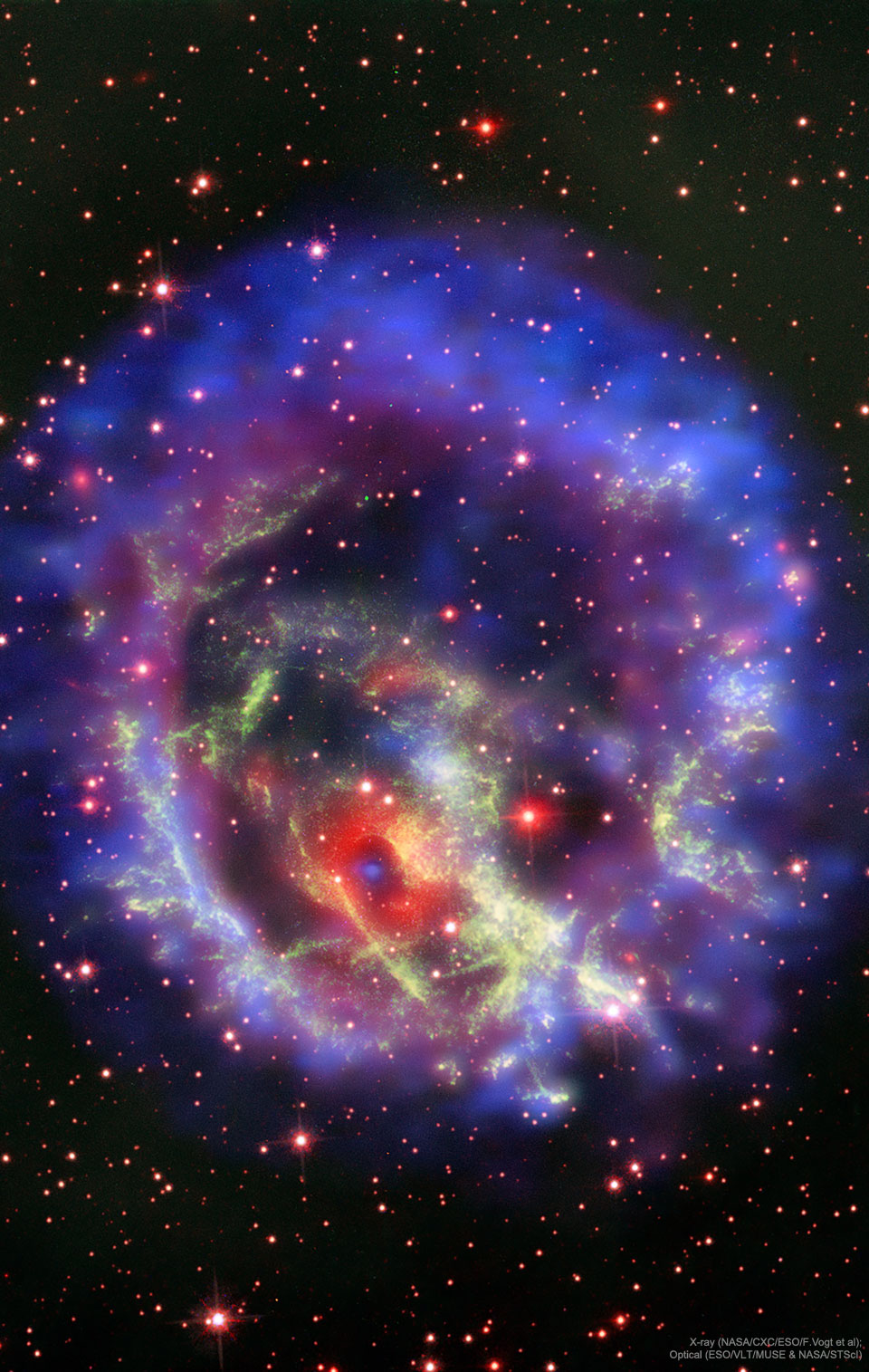
Why is this neutron star off-center? Recently a lone neutron star has been found within the debris left over from an old supernova explosion. The "lonely neutron star" in question is the blue dot at the center of the red nebula near the bottom left of E0102-72.3. In the featured image composite, blue represents X-ray light captured by NASA's Chandra Observatory, while red and green represent optical light captured by ESO's Very Large Telescope in Chile and NASA's Hubble Space Telescope in orbit. The displaced position of this neutron star is unexpected since the dense star is thought to be the core of the star that exploded in the supernova and created the outer nebula. It could be that the neutron star in E0102 was pushed away from the nebula's center by the supernova itself, but then it seems odd that the smaller red ring remains centered on the neutron star. Alternatively, the outer nebula could have been expelled during a different scenario -- perhaps even involving another star. Future observations of the nebulas and neutron star appear likely to resolve the situation.

from NASA https://ift.tt/2DDSt7b
via IFTTT